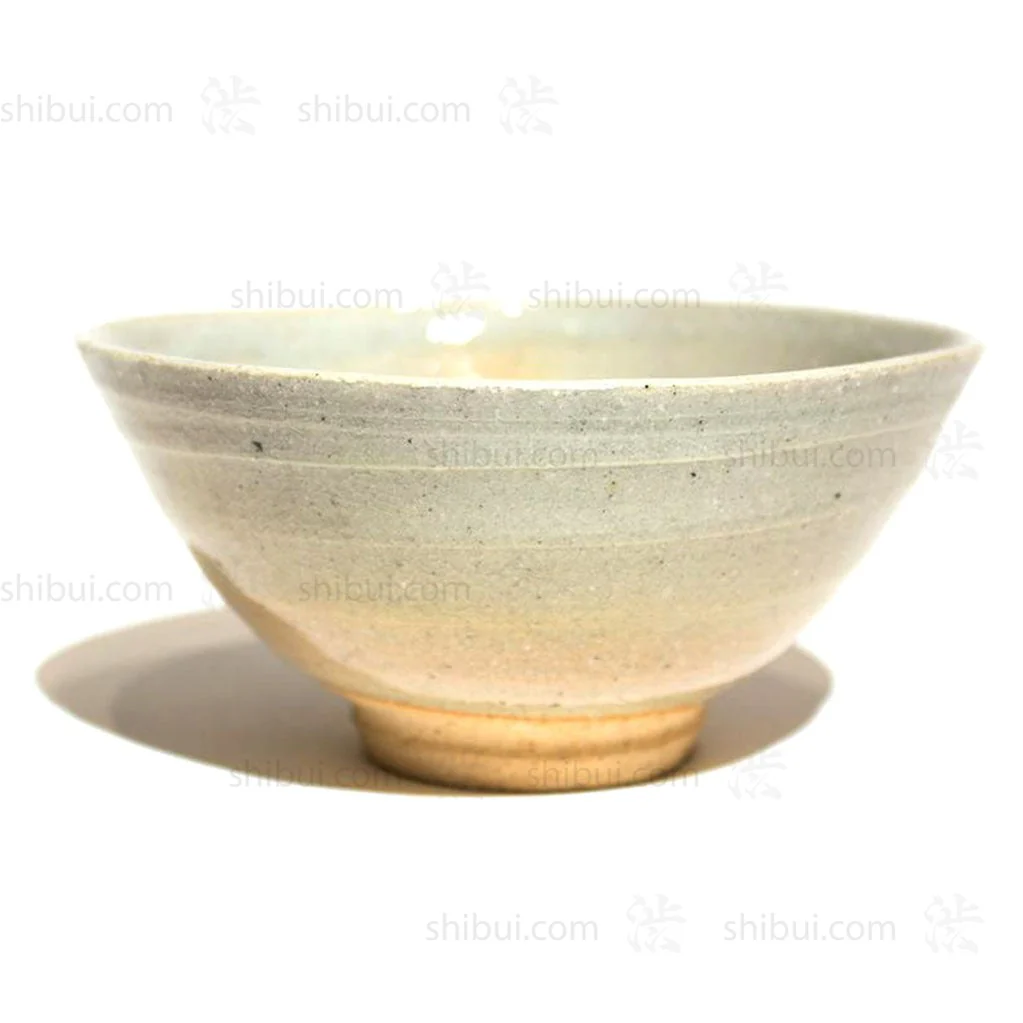
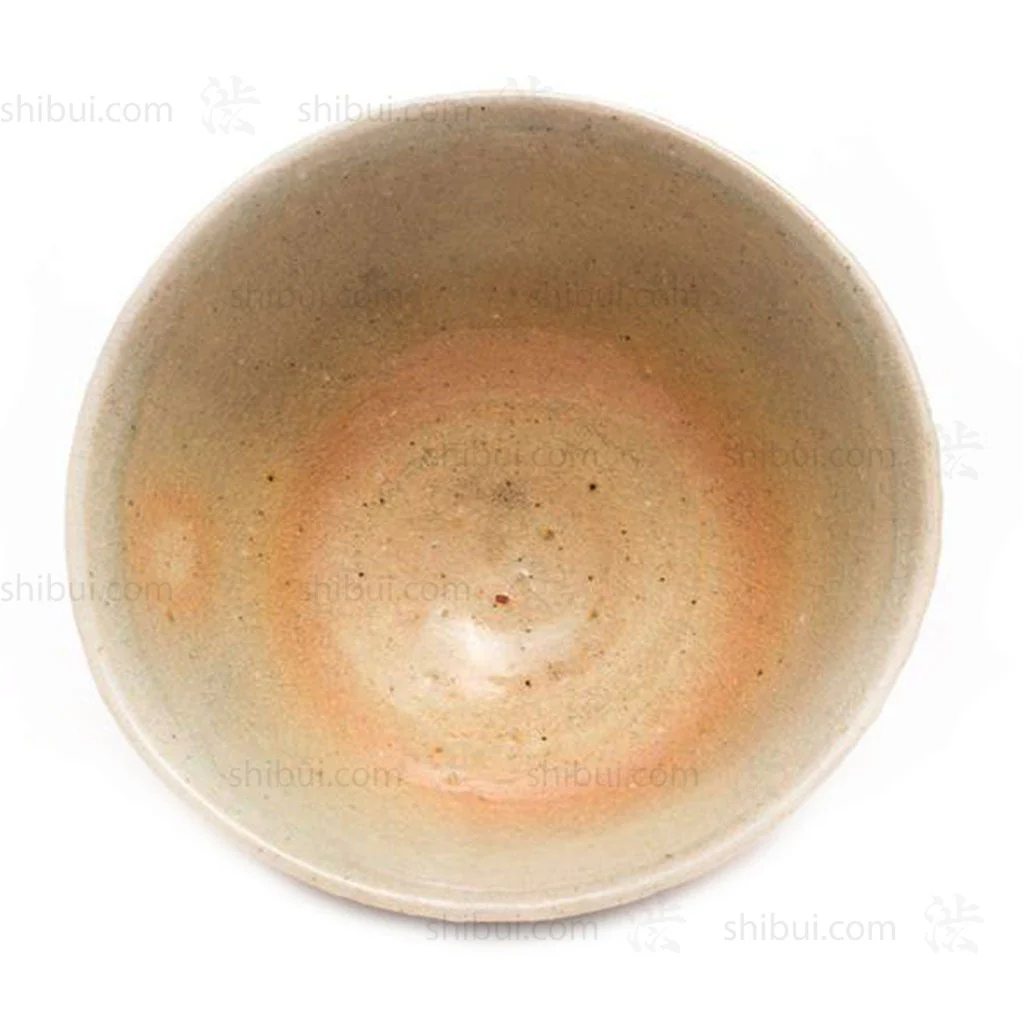
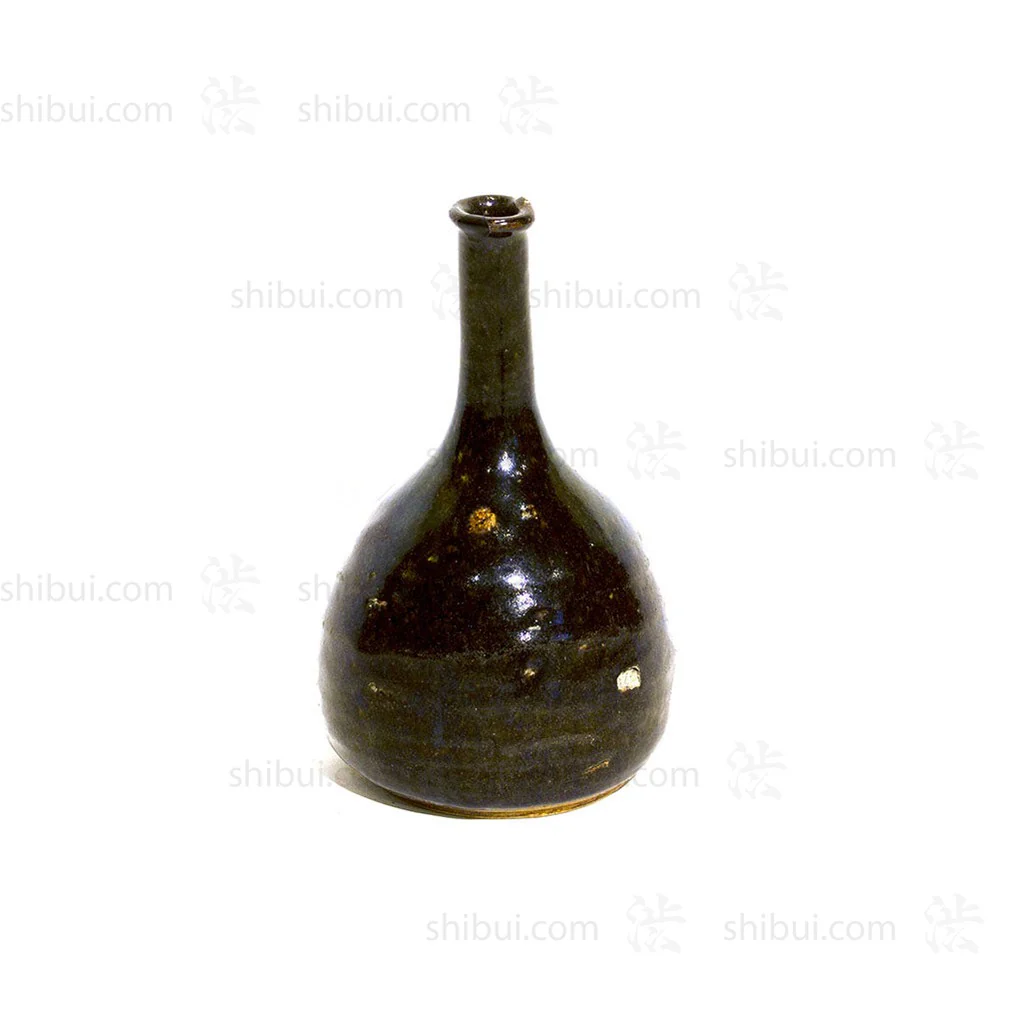
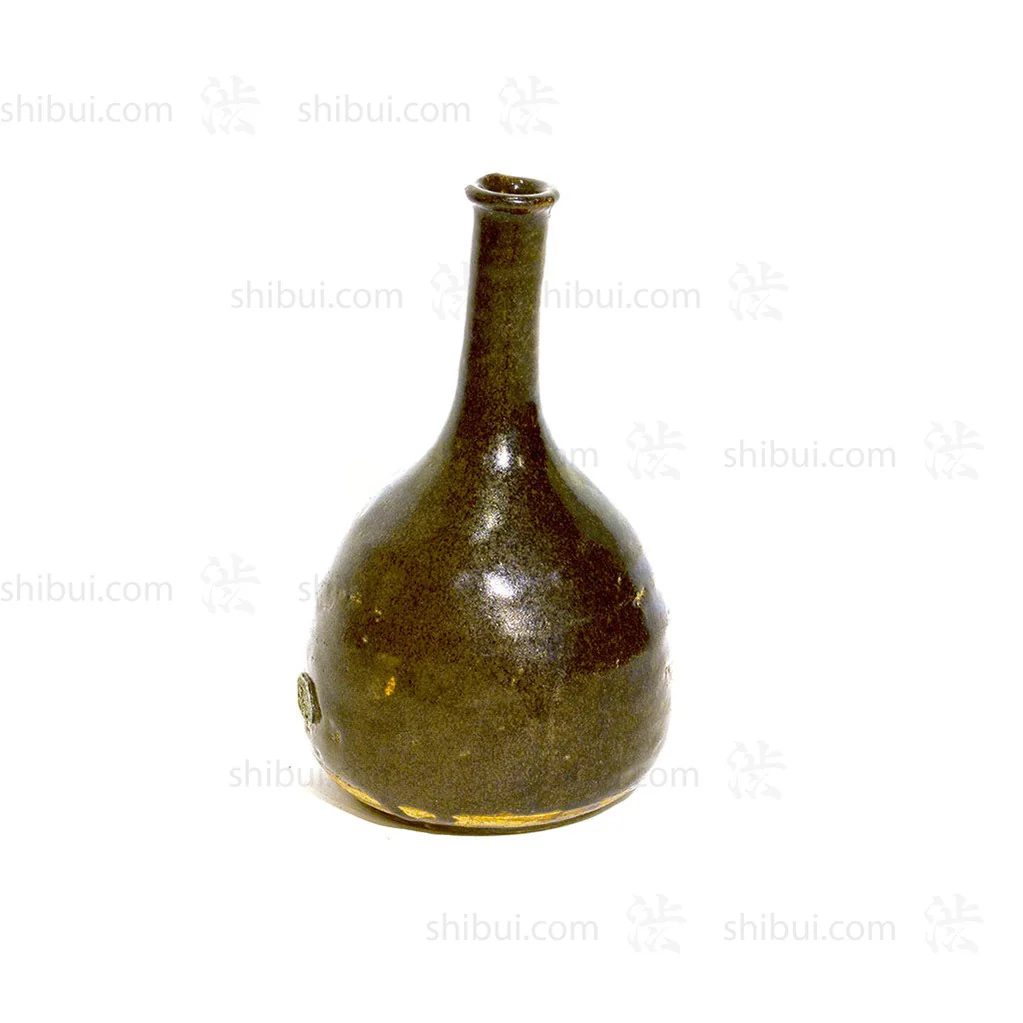
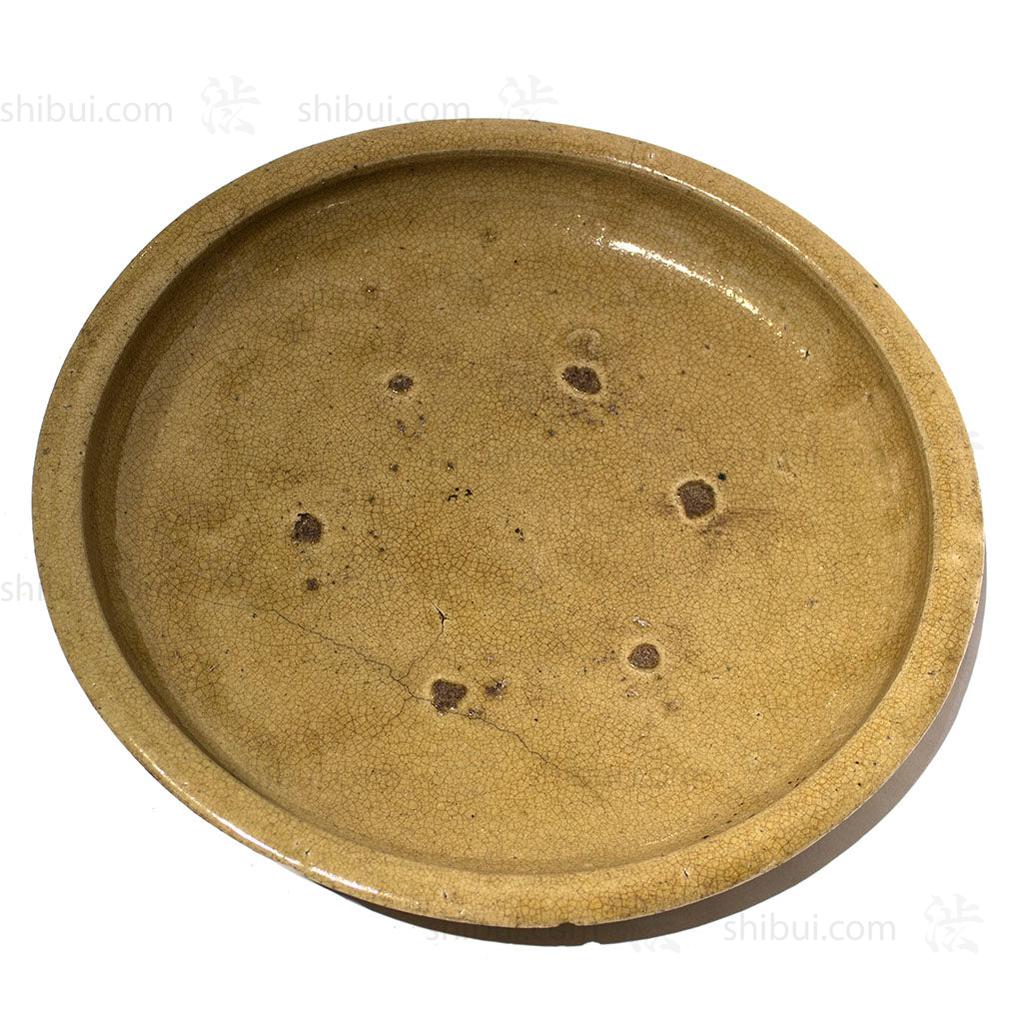
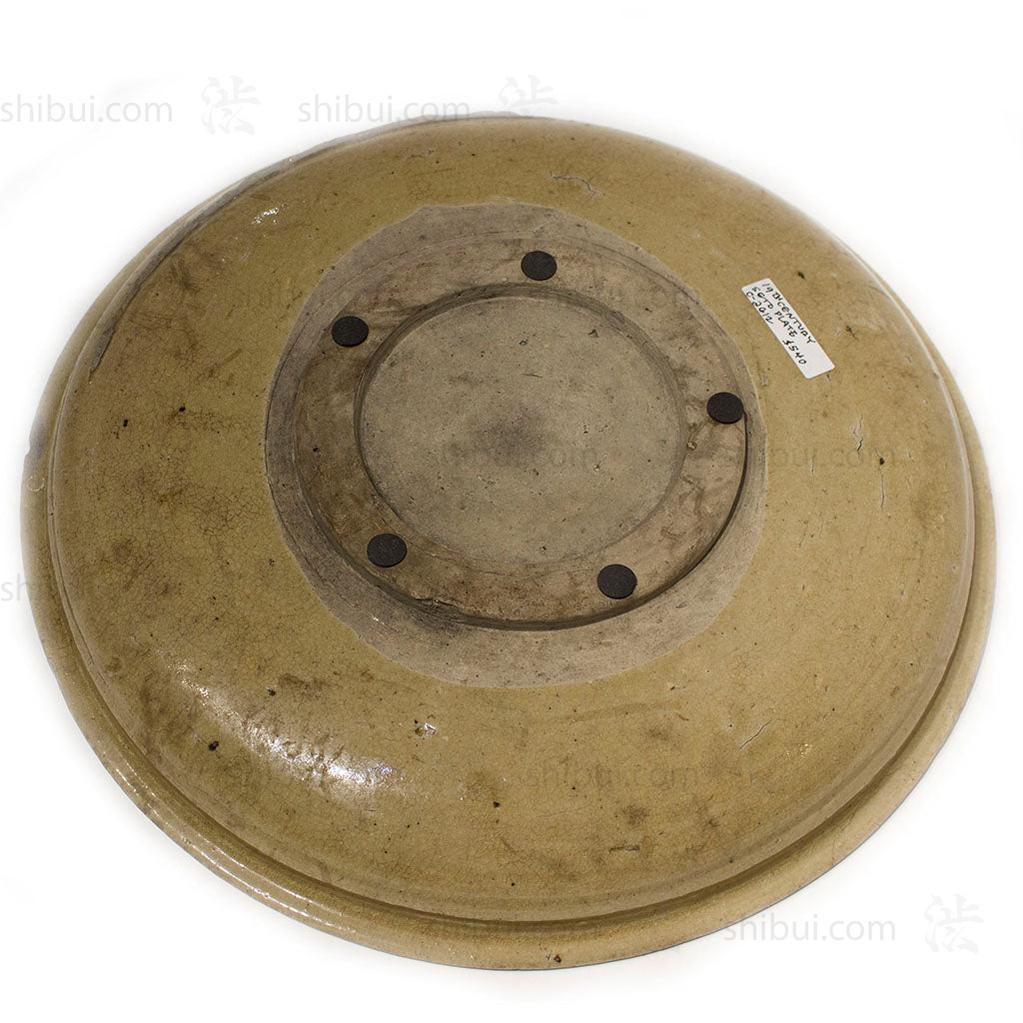
Takotsubo | Barnacle Encrusted Antique Japanese Pot
Takotsubo translates to "octopus pot."
Octopuses love to hide, so they live in "dens," which can be anything from a crevice in between rocks, to a bottle that's fallen to the ocean floor. A fisherman would have a line of takotsubo lowered down into the ocean on a rope, and soon octopi would make the ceramic pots their dens. The pot would be pulled up, the octopi collected, and the takotsubo would be lowered back down.
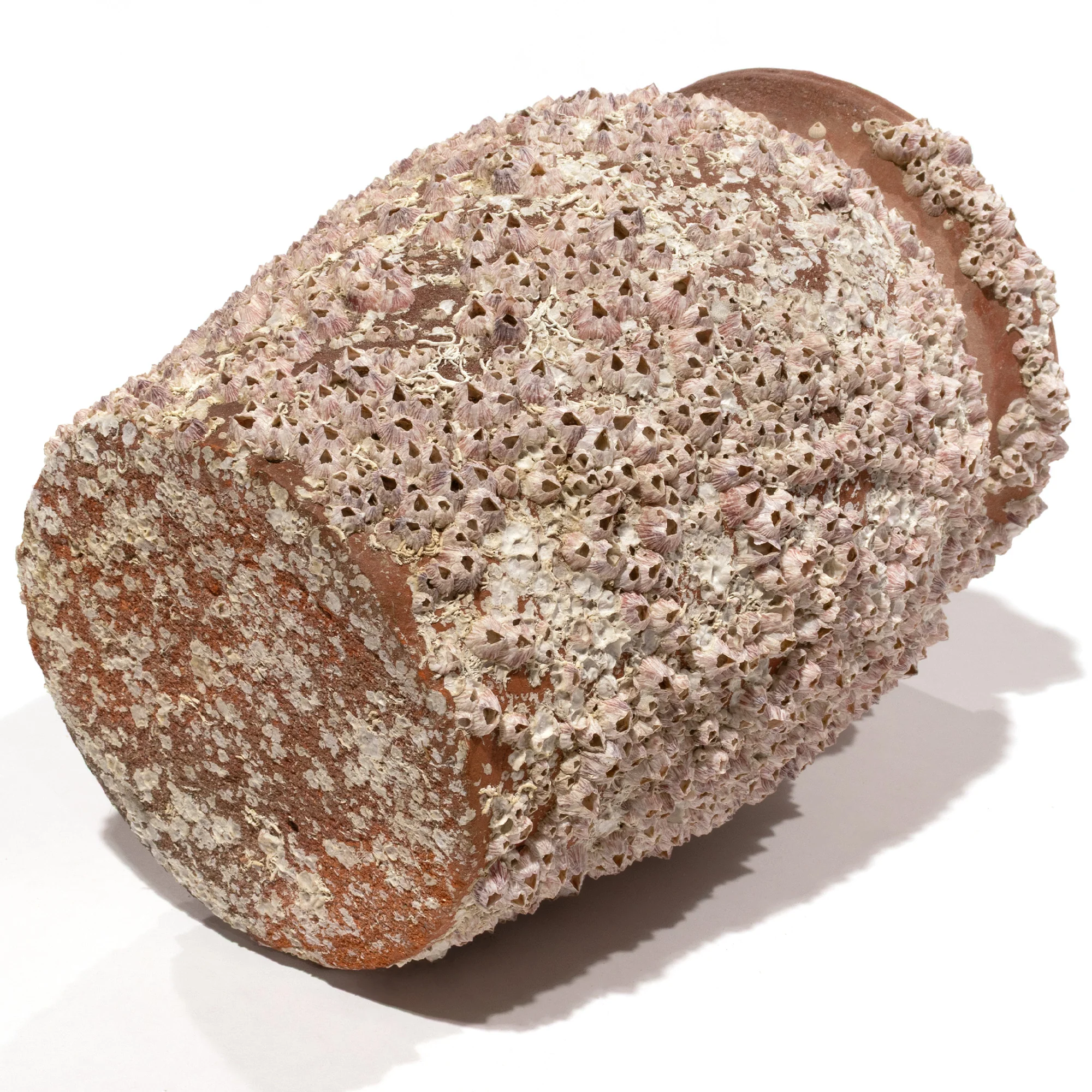
The years these octopus traps have spent in the water can be seen through their deep encrustation, their surfaces nearly fully covered in barnacles and other remnants of the ocean floor. In the world of vintage takotsubo, their worth is often determined by how encrusted the traps have become from their years of use.
- Ceramic
- 20th Century
- 9.5" x 6.5" (height x Diameter)
- SKU: C-Y3638
Product Information
Product Information
Shipping & Returns
Shipping & Returns


Takotsubo | Barnacle Encrusted Antique Japanese Pot
Takotsubo | Barnacle Encrusted Antique Japanese Pot
Takotsubo translates to "octopus pot."
Octopuses love to hide, so they live in "dens," which can be anything from a crevice in between rocks, to a bottle that's fallen to the ocean floor. A fisherman would have a line of takotsubo lowered down into the ocean on a rope, and soon octopi would make the ceramic pots their dens. The pot would be pulled up, the octopi collected, and the takotsubo would be lowered back down.
The years these octopus traps have spent in the water can be seen through their deep encrustation, their surfaces nearly fully covered in barnacles and other remnants of the ocean floor. In the world of vintage takotsubo, their worth is often determined by how encrusted the traps have become from their years of use.
- Ceramic
- 20th Century
- 9.5" x 6.5" (height x Diameter)
- SKU: C-Y3638
Original: $425.00
-65%$425.00
$148.75Product Information
Product Information
Shipping & Returns
Shipping & Returns
Description
Takotsubo translates to "octopus pot."
Octopuses love to hide, so they live in "dens," which can be anything from a crevice in between rocks, to a bottle that's fallen to the ocean floor. A fisherman would have a line of takotsubo lowered down into the ocean on a rope, and soon octopi would make the ceramic pots their dens. The pot would be pulled up, the octopi collected, and the takotsubo would be lowered back down.
The years these octopus traps have spent in the water can be seen through their deep encrustation, their surfaces nearly fully covered in barnacles and other remnants of the ocean floor. In the world of vintage takotsubo, their worth is often determined by how encrusted the traps have become from their years of use.
- Ceramic
- 20th Century
- 9.5" x 6.5" (height x Diameter)
- SKU: C-Y3638